




Chiba Medical J. 102E:35-42, 2026
doi:10.20776/S03035476-102E-2-P35
〔 Review Article 〕
Hiroshi Kawahira 1), Hiroyuki Kitabayashi 2), Yasunori Matsumoto 3)
and Hisahiro Matsubara 3)
1) Medical Simulation Center, Jichi Medical University, Shimotsuke 329-0498.
2) Department of Surgery, Tochigi Medical Center-Shimotsuga, Tochigi 329-4407.
3) Department of Frontier Surgery, Graduate School of Medicine, Chiba University, Chiba 260-8670.
(Received October 1, 2025, Accepted March 2, 2026, Published June 10, 2026.)
【Introduciton】Severe obesity is a global health issue associated with an increased risk of comorbidities, including type 2 diabetes and cardiovascular disease. In Japan, bariatric surgery was established as an effective treatment for severe obesity after its introduction by Dr. Isao Kawamura in 1982. To report the patient demographics, surgical techniques, and postoperative weight loss outcomes of bariatric surgery cases performed or supervised by Dr. Kawamura.
【Methods】 This retrospective study included 99 cases from August 1982 to July 2005 across three institutions. One patient underwent revisional gastric bypass 15 years after initial vertical banded gastroplasty. Patient demographics, surgical procedures, and postoperative weight changes were evaluated during a follow-up of 60 months.
【Results】 The study included 98 patients, including 67 female patients, with a median age of 29 years and a median body mass index of 43.7 kg/m2. Surgical procedures included gastric bypass, gastroplasty, extended gastric bypass, sleeve gastrectomy, and sleeve gastrectomy with duodeno-jejunal bypass, in 11, 69, 17, 1, and 1 patient, respectively. The postoperative percentages of excess weight loss were 47%, 61%, and 69% at 3, 6, and 12 months, respectively, with no significant differences observed among the surgical procedures. Follow-up rates declined over time, reaching 16.2% by 60 months.
【Conclusions】The implementation of bariatric surgery in Japan with Dr. Kawamura’s pioneering role has contributed to advances in treatment approaches in severe obesity.
bariatric surgery, gastric bypass, gastroplasty, Japan
Severe obesity is a global health problem associated with an increased risk of metabolic and cardiovascular comorbidities. Although bariatric surgery has been established as the most effective treatment for severe obesity since its introduction in the United States in the late 1960s[1,2], its adoption in Japan was delayed due to the historically low prevalence of severe obesity.
In response to the gradual increase in severe obesity associated with westernization of dietary habits, Dr. Isao Kawamura introduced bariatric surgery to Japan after acquiring surgical techniques and perioperative management experience in the United States, performing the first bariatric procedure in 1982[3]. Following its introduction, bariatric surgery in Japan evolved under unique clinical and social circumstances, including a high incidence of gastric cancer and strict safety requirements, leading to the adaptation and diversification of surgical techniques.
Over time, advances in surgical methods and the introduction of laparoscopic approaches contributed to the gradual expansion of bariatric surgery in Japan, particularly after the 2000s[4-7]. Given the higher metabolic risk at lower body mass indices observed in East Asian populations, the development of bariatric surgery in Japan represents an important step in addressing severe obesity in this region[8].
This review introduces the initiation of bariatric surgery in Japan through the surgical experience and outcomes of Dr. Kawamura and places these early efforts in the context of the current practice of bariatric surgery in Japan.
This retrospective study protocol was reviewed and approved by the Ethics Committee of Tochigi Medical Center Shimotsuga, in accordance with the ethical standards of the institutional and/or national research committee and with the 1964 Helsinki declaration and its later amendments or comparable ethical standards (approval date: January 16, 2025; approval no: 227).
The study cohort included the first 99 bariatric surgeries for severe obesity that were performed or supervised by Dr. Kawamura between August 1982 and July 2005 across three institutions: Chiba University Hospital, Ishibashi General Hospital, and Shimotsuga General Hospital. Postoperative follow-up was conducted until July 2006. Data that were collected and analyzed included patient demographics, preoperative body weight, comorbidities, surgical techniques, and postoperative weight changes, including percentage of excess weight loss (%EWL) . %EWL was calculated using the formula: %EWL = [ (preoperative weight - postoperative weight) / (preoperative weight - ideal weight) ] × 100, with ideal weight defined as the weight equivalent to a BMI of 25 kg/m2.
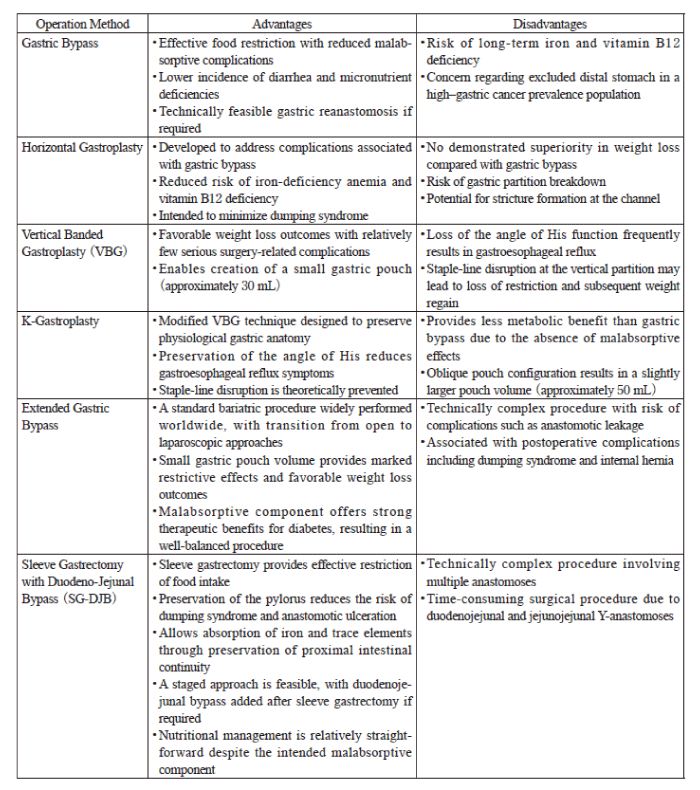
In the present study, the following surgical techniques were included: gastric bypass (GB) [2,9], gastroplasty (Horizontal Gastroplasty[10,11], Vertical Banded Gastroplasty (VBG) [12], and K-Gastroplasty[13]) , Extended Gastric Bypass (Extended GB) [14], Sleeve Gastrectomy (SG) [15], and SG with Duodeno-Jejunal Bypass (SG-DJB) [16,17] (Fig. 1) . The advantages and disadvantages of each surgical procedure are summarized in Table 1.
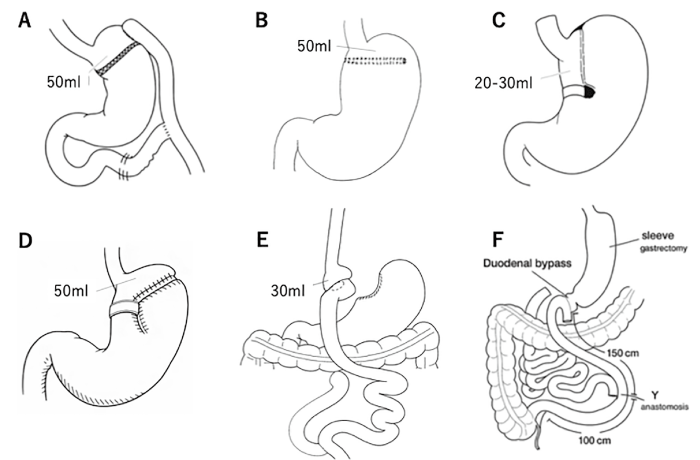
Fig. 1 Representative surgical procedures performed by Dr. Isao Kawamura.
(A) Gastric Bypass, one of the earliest bariatric procedures performed by Dr. Kawamura. This procedure was inspired by the restricted food intake observed in patients after total gastrectomy, in which approximately 90% of the stomach is bypassed and anastomosed to the small intestine to limit food intake. Reanastomosis with the bypassed stomach is technically feasible if required in the future; (B) Horizontal Gastroplasty, in which a 7-mm gastric tube is placed intragastrically and the stomach is horizontally partitioned from the lesser to the greater curvature using a linear stapler, creating a gastric pouch of approximately 50 mL. The tube is then replaced with a 12-mm gastric tube, and the channel is circumferentially reinforced with longitudinal seromuscular interrupted sutures; (C) Vertical Banded Gastroplasty (VBG) , in which a circular stapler is used to create a window through the anterior and posterior gastric walls approximately 9 cm distal to the angle of His and 3 cm from the lesser curvature. A linear stapler is then fired vertically toward the angle of His to create a vertically oriented gastric pouch with an approximate volume of 30 mL under 70 cmH2O pressure; (D) K-Gastroplasty, in which, following vertical partitioning, the stomach is transected obliquely using a linear stapler to prevent staple-line disruption, and the transection line is buried with sutures. A 1-cm gastric tube is inserted to avoid excessive stenosis, and a matrix mesh with a circumference of approximately 5 cm is placed around the channel; (E) Extended Gastric Bypass, in which a small gastric pouch (approximately 30 mL) is created, providing restrictive effects combined with mild malabsorption through small-intestinal bypass; (F) Sleeve Gastrectomy with Duodeno-Jejunal Bypass, in which sleeve gastrectomy involves longitudinal resection of the greater curvature of the stomach to create a tubular gastric conduit while preserving the pylorus, followed by duodenojejunal anastomosis. The length of the alimentary limb (approximately 75-100 cm) is relatively long to minimize nutritional malabsorption.
Table 1 Characteristics, advantages, and disadvantages of bariatric surgical procedures.
A total of 99 surgeries were included in the study, and 98 patients, 67 female and 31 male patients, were included in the final analysis. At the time of surgery, the median patient age was 29 (range, 17-61) years, the median height was 160.0 (range, 145.0-187.1) cm, the median body weight was 111 (range, 81.0-191.2) kg, and the median body mass index was 43.7 (range, 33.8-65.8) kg/m2.
As shown in Table 2, the preoperative comorbidities included fatty liver (n = 73; 76%) , type 2 diabetes (n = 26; 28%) , dyslipidemia (n = 46; 51%) , hypertension (n = 41; 41.7%) , hyperuricemia (n = 20; 21.3%) , back pain (n = 43; 44.8%) , knee pain (n = 43; 44.8%) , gallstones (n = 15; 15.6%) , and sleep apnea syndrome (n = 14; 14.6%).
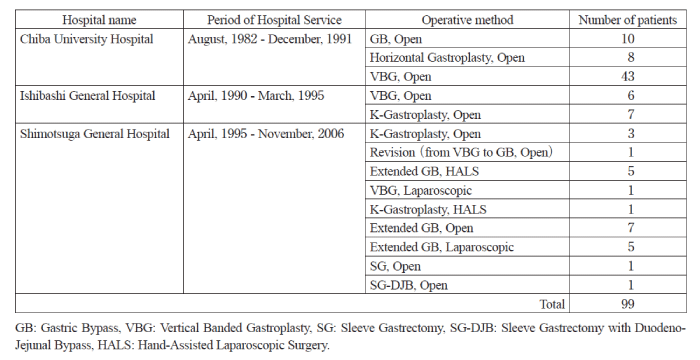
As shown in Table 3, the surgical techniques included GB (n = 11) ; gastroplasty (n = 69) , including Horizontal Gastroplasty (n = 8) , VBG (n = 50) , and K-Gastroplasty (n = 11) ; Extended GB (n = 17) , SG (n = 1) , and SG-DJB (n = 1) . Laparoscopic surgeries included K-Gastroplasty in 2 cases and extended GB in 10 cases, including laparoscopically assisted Extended GB in 5 cases and fully laparoscopic Extended GB in 5 cases. One patient underwent revision surgery with GB 15 years after the initial VBG. Table 4 summarizes the distribution of surgical procedures performed at Chiba University Hospital, Ishibashi General Hospital, and Shimotsuga General Hospital.
The follow-up rates were 90.9%, 81.8%, 74.7%, 46.5%, 30.3%, 23.2%, and 16.2% at 3, 6, 12, 24, 36, 48, and 60 months, respectively. The postoperative %EWLs were 47%, 61%, 69%, 65%, 60%, 61%, and 54% at 3, 6, 12, 24, 36, 48, and 60 months, respectively (Fig. 2A) . Figure 2B illustrates postoperative %EWL according to surgical procedure: GB (n = 11) , Gastroplasty (n = 69) , and Extended GB (n = 17).
Table 2 Demographics and clinical characteristics of the study cohort.
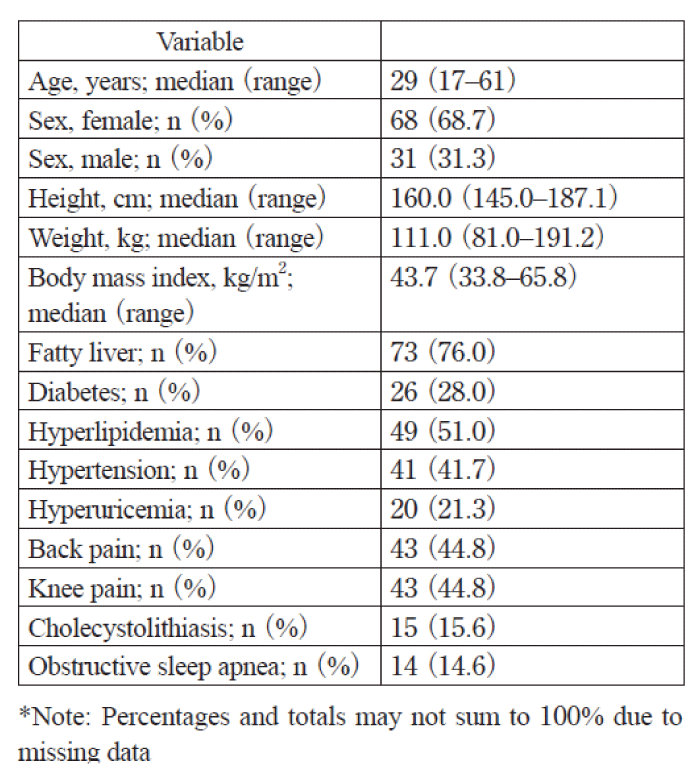
Table 3 Details of surgical procedures for obesity performed by Dr. Kawamura.
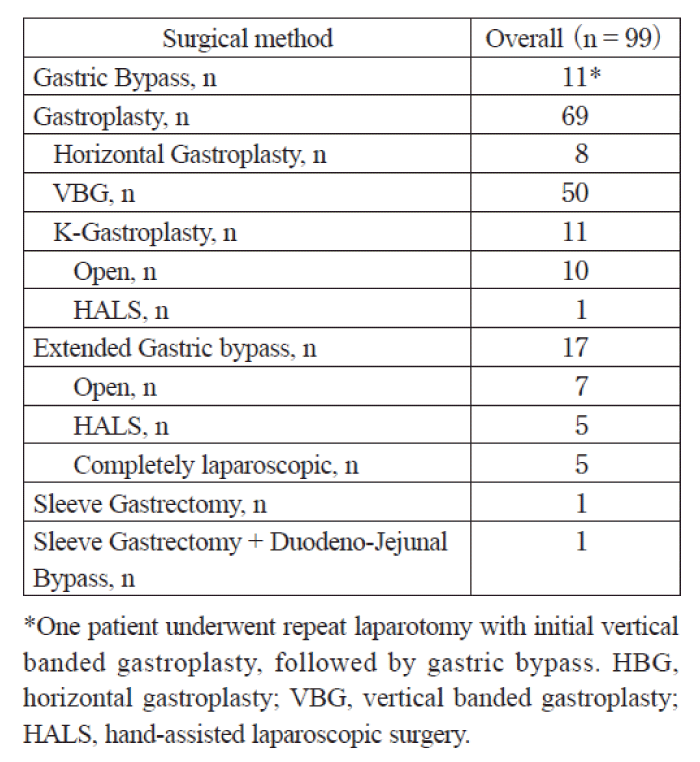
Table 4 Year of initiation and institutional distribution of bariatric surgical procedures performed by Dr. Kawamura at Chiba University Hospital, Ishibashi General Hospital, and Shimotsuga General Hospital.
In this study including the analysis of the first 99 bariatric surgery cases in Japan, we described the evolution of surgical techniques and postoperative outcomes. Although gastric bypass, widely practiced in the USA at the time, was initially adopted, the technique evolved to gastroplasty, which focused on restricting food intake, later progressing to extended gastric bypass. The final two cases in the current study cohort featured SG, reflecting its prominence as the current standard procedure in Japan. Postoperatively, all surgical techniques demonstrated early weight loss, with %EWL ranging between approximately 40% and 60%. However, follow-up beyond the first 60 months of surgery was limited to 16 patients (16.2%) and the extent of weight loss in patients with incomplete follow-up remains unknown. When compared with more recent bariatric surgery outcomes reported by Oshiro et al., despite the substantial loss to follow-up in the present study, the mean %EWL at 5 years was approximately 54%[5]. Although this finding should be interpreted with caution, it may indicate that the bariatric procedures performed during this early period were capable of achieving meaningful mid-term weight loss.
According to the report by Okazumi et al., bariatric surgery in Japan was initiated in 1982[4]. This timing corresponds to the period during which Dr. Kawamura introduced bariatric surgery to Japan after acquiring experience in the United States, indicating that his procedures represent some of the earliest bariatric surgeries performed in the country[3]. In Dr. Kawamura’s series, no surgery-related mortality was reported; however, given the historical nature of the cases and the presence of incomplete longterm follow-up, it remains uncertain whether surgeryrelated mortality occurred. A revisional gastric bypass was documented 15 years after an initial vertical banded gastroplasty. Although the number of bariatric procedures remained limited in the early period following their introduction, several factors contributed to a gradual increase in surgical volume in Japan. These included the westernization of dietary habits, the higher susceptibility of East Asian men to metabolic diseases such as diabetes mellitus at lower body mass indices compared with Western populations, and advances in surgical stapling devices and laparoscopic techniques. With the nationwide expansion of bariatric surgery and the increasing number of institutions performing these procedures, the Japanese Society for Treatment of Obesity (JSTO) was established in 2007, to which Dr. Kawamura made substantial contributions in its foundation and early development.
During the early days of bariatric surgery in Japan, open surgery was predominant, with only 12 laparoscopic or laparoscopically assisted procedures performed in the latter part of the study period. With regard to laparoscopic Roux-en-Y extended gastric bypass (LRYGB) , Dr. Kawamura invited Dr. Kasama, who had already established experience with LRYGB at that time, and performed the procedure at Shimotsuga General Hospital. Notably, this occurred around 2003, which coincided with the so-called “year of crisis” in the United States, a period during which bariatric surgery temporarily faced major challenges due to increased complications and medicolegal concerns following the rapid expansion of laparoscopic procedures.
Although laparoscopic adjustable gastric banding and SG were introduced in 2005[7,18], the high incidence of gastric cancer in Japan remained a significant concern, particularly for bypass procedures that leave portions of the stomach in place. To address this challenge, Kasama et al. developed SG-DJB in 2007 as a diabetes-focused bariatric procedure specifically tailored for Japanese patients[19]. The national insurance system in Japan began covering SG in 2014 and is expected to cover SG-DJB in April 2024, highlighting the notable expansion of options for bariatric surgery in Japan.
Dr. Kawamura played a pivotal role in the early institutional recognition of bariatric surgery in Japan. In 1988, gastric reduction surgery (K656) was included in the national health insurance system, marking an important step toward broader clinical acceptance of surgical treatment for severe obesity in the country. Subsequently, the Japanese bariatric surgery community contributed to the development of a national consensus on indications and standards of care[20]. Dr. Kawamura’s contributions to these milestones helped to establish a structured framework for bariatric surgery practice and guidelines in Japan.
The present study has several limitations. The retrospective study design is subject to bias. In addition, the data were limited to cases performed or supervised by Dr. Kawamura and the surgeries were conducted across three institutions following his relocation. Therefore, some patients and data were lost to followup. Consequently, in addition to weight loss, the longterm effects on metabolic comorbidities, such as diabetes mellitus, hypertension, and dyslipidemia, could not be reliably assessed.
In conclusion, Dr. Isao Kawamura was a pioneer of bariatric surgery in Japan. His visionary efforts have laid the foundation for the surgical treatment of severe obesity in Japan, at a time when such procedures were nonexistent. His dedication and leadership have been instrumental in the steady development and establishment of bariatric surgery, which is performed approximately 890 times in Japan every year. His enduring contribution deserves recognition in the annals of surgical history.
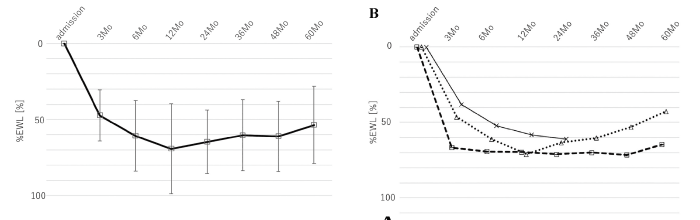
Fig. 2
(A) Trends in the rate of % excess weight loss (%EWL) in the overall cohort of 99 cases. Error bars indicate standard deviation. (B) Trends in %EWL based on the surgical procedure. The dashed line represents GB (n = 11) , the dotted line represents gastroplasty (n = 69) , and the solid line represents Extended GB (n = 17). Data on %EWL are shown for up to 60 months after GB and gastroplasty and for up to 24 months for Extended GB.
Hiroshi Kawahira contributed to the conceptualization, methodology, supervision, and writing (review and editing) of the manuscript. Hiroyuki Kitabayashi was responsible for data curation, validation, and writing (review and editing) . Yasunori Matsumoto contributed to the methodology, project administration, and writing (review and editing) . Hisahiro Matsubara contributed to the investigation, provided resources, curated data, and supervised the project.
None.
Hisahiro Matsubara is a member of the Editorial Board of Chiba Medical Journal but was not involved in the peer review or decision-making process for this manuscript. All other authors declare no conflicts of interest related to this review.
This study was reviewed and approved by the Ethics Committee of Tochigi Medical Center Shimotsuga in accordance with ethical guidelines (approval date: January 16, 2025; approval no: 227) . All procedures performed in studies involving human participants were in accordance with the ethical standards of the institutional and/or national research committee and with the 1964 Helsinki declaration and its later amendments or comparable ethical standards. Patient participation in the study was considered to be covered under general consent, as Tochigi Medical Center Shimotsuga had previously obtained broad written and/ or oral consent from patients for the future use of their data and biological samples in research. Furthermore, as none of the participants explicitly declined to participate in this study, we reported that consent was obtained from all eligible participants.
The datasets generated during this historical cohort study (1982-2005) are not publicly available because of patient confidentiality and institutional ethical restrictions.
During the preparation of this work, the authors used ChatGPT (OpenAI) to prepare a clean draft of Figure 1. After using this tool, the authors reviewed and edited the figure as needed and take full responsibility for the content of the published article.
We would like to extend our sincere gratitude to the physicians, nurses, and medical staff who contributed to the clinical work conducted by Dr. Isao Kawamura. We hold in the highest regard Dr. Kawamura’s pioneering efforts in introducing bariatric surgical techniques that he acquired during his training in the USA into clinical practice in Japan. We also wish to recognize the invaluable contributions of Dr. Masaaki Kodama, who provided steadfast support in both surgical practice and data consolidation. It is with deep respect and heartfelt appreciation that we dedicate this work to the memory of Drs. Kawamura and Kodama, whose enduring legacies continue to inspire the field of bariatric surgery in Japan.
Address correspondence to Dr. Hiroshi Kawahira.
7th Fl, The Memorial Tower, 3311-1,
Yakushiji Shimotsuke, Tochigi 329-0498, Japan.
Phone: +81-285-57-7455.
Fax: +81-285-44-8679.
E-mail: kawahira@jichi.ac.jp
